Gather under the tree
Most of what a health district needs, it already collects. This second edition is about using it well: reading a few numbers together, asking why, telling the story they hold, and turning that into action. Eleven chapters, from routine data to a learning district.
Information for Action · second edition
Use the data you already have.
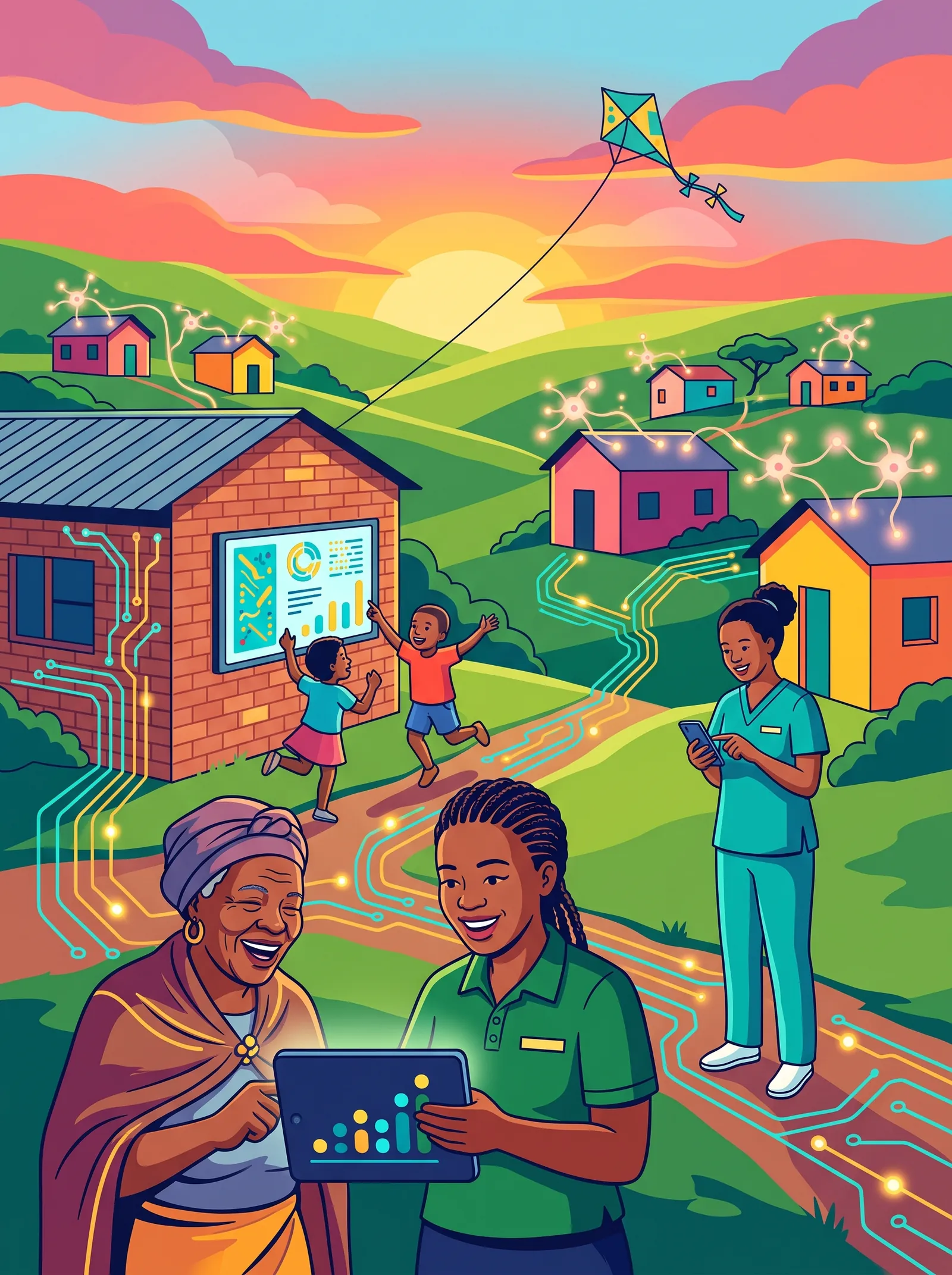
A practical guide to using health information for decisions and action in a district health system. It follows one idea through eleven chapters: a health information system is a living body, and routine data is its nervous system, carrying signal from the senses to the muscles so the system can act, and learn.
The idea
Less data, more analysis. Less compliance, more curiosity.
Most health systems drown in data they never use. This book argues the opposite discipline: collect a handful of action indicators well, look at them together every month, ask why, tell the story, and act.
It is written for frontline health managers: the district team, the facility nurse, the community health worker, the programme manager. The people who plan, monitor and supervise services, and who can make the biggest difference with the data they already collect.
Information is the nervous system (Chapter 1). Data use is its electrochemical impulse (Chapter 2). Collection is sensation (Chapter 5). Visualisation is sight (Chapter 6). Feedback is the reflex loop (Chapter 7). Stewardship is the muscle that moves the governance skeleton (Chapter 8).
The book
Eleven chapters, one journey.
Each chapter builds on the last, from what a health information system is to the digital architecture that ties it together. Read in order, or jump to what you need.
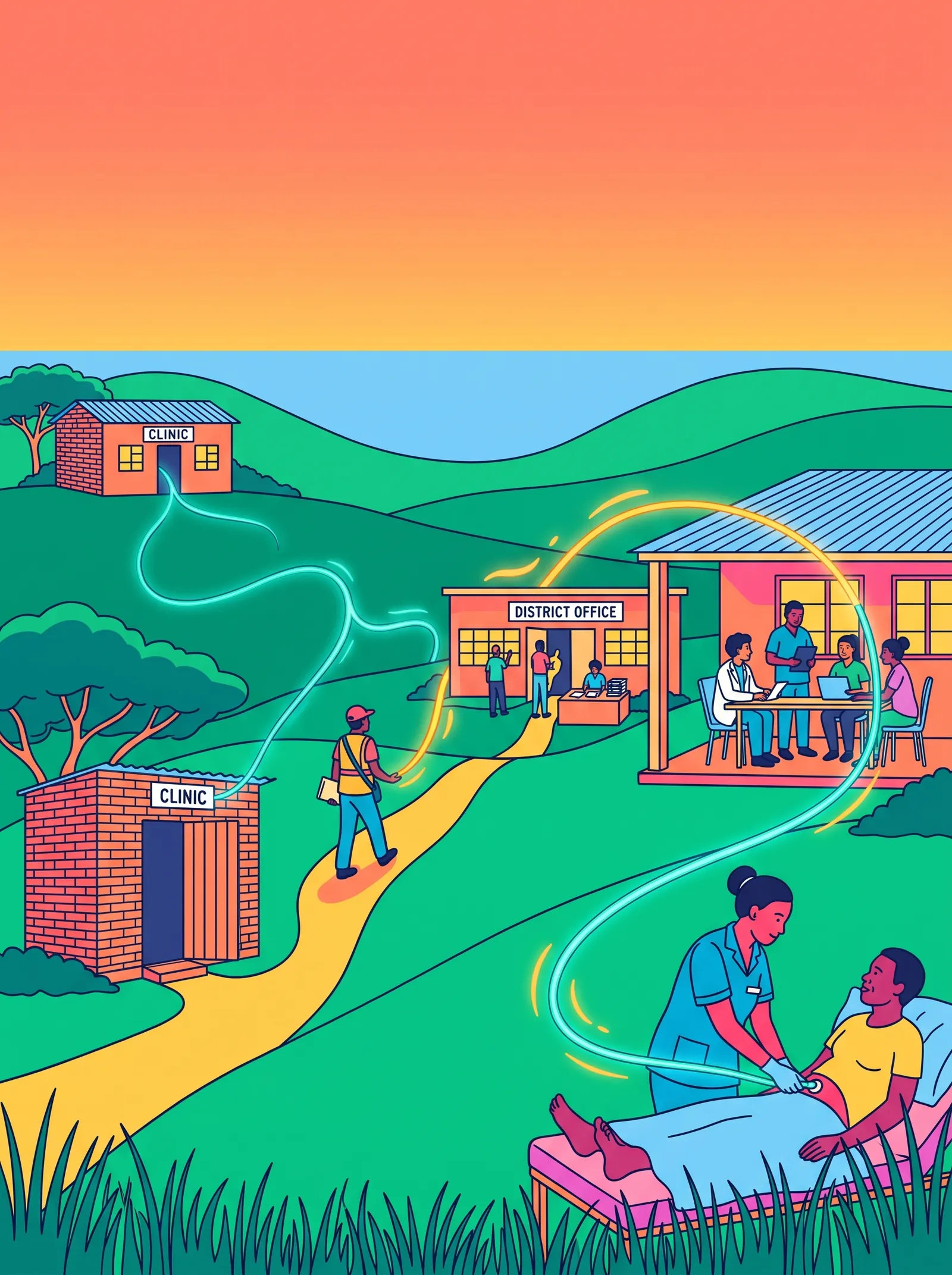
From information to action
Why this book exists, who it is for, and the eleven-chapter journey from data to action.

The living body
The routine health information system as the central nervous system of the district.
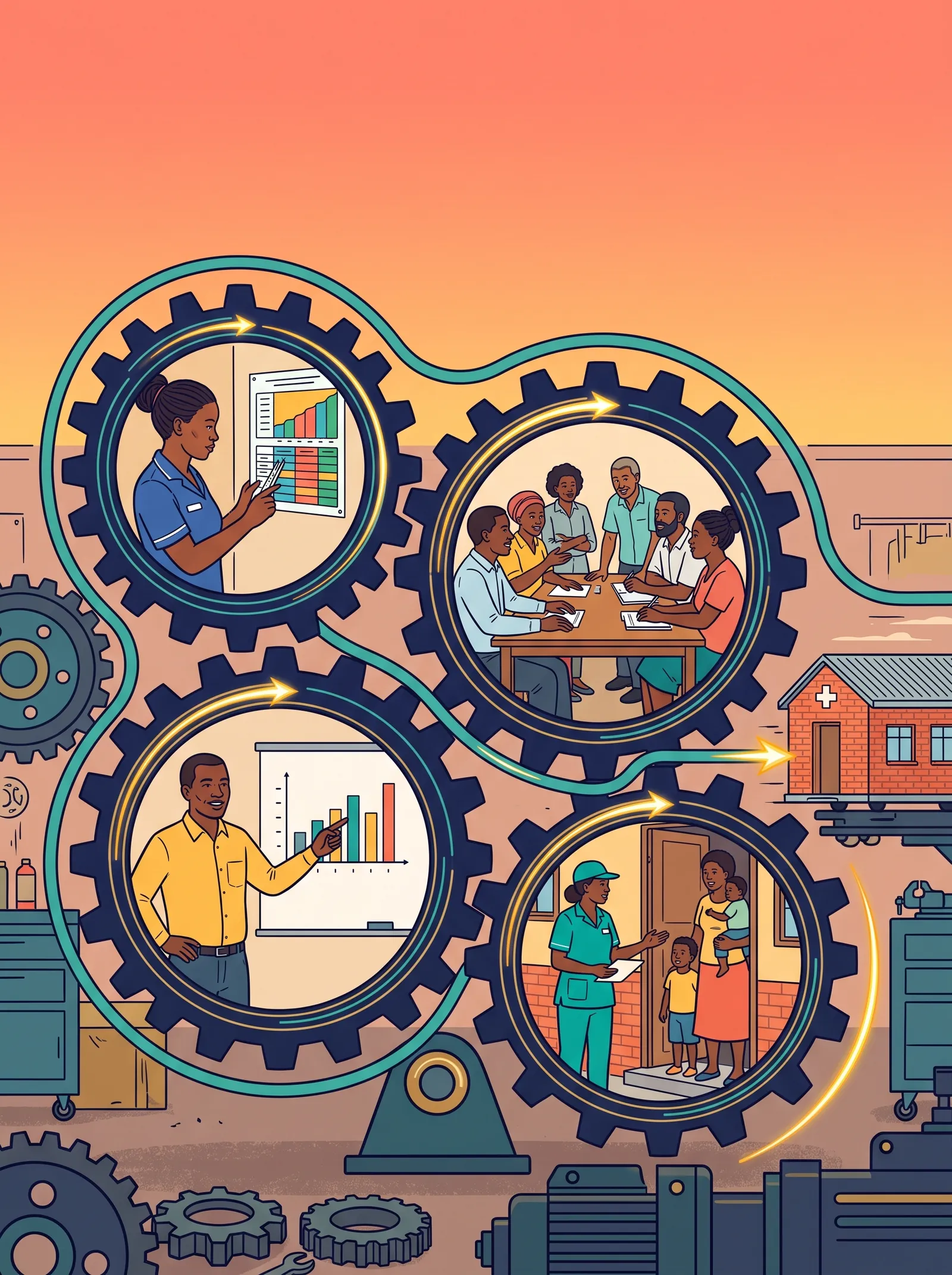
The engines of data use
Turning routine data into local decisions through a continuous information cycle.

Designed for performance
Every information system produces exactly the results it was designed to produce.
Curiosity
The disciplined habit of asking who, what, when, where and, above all, why.

The senses of the system
Data collection as sensation: the moment reality becomes signal.
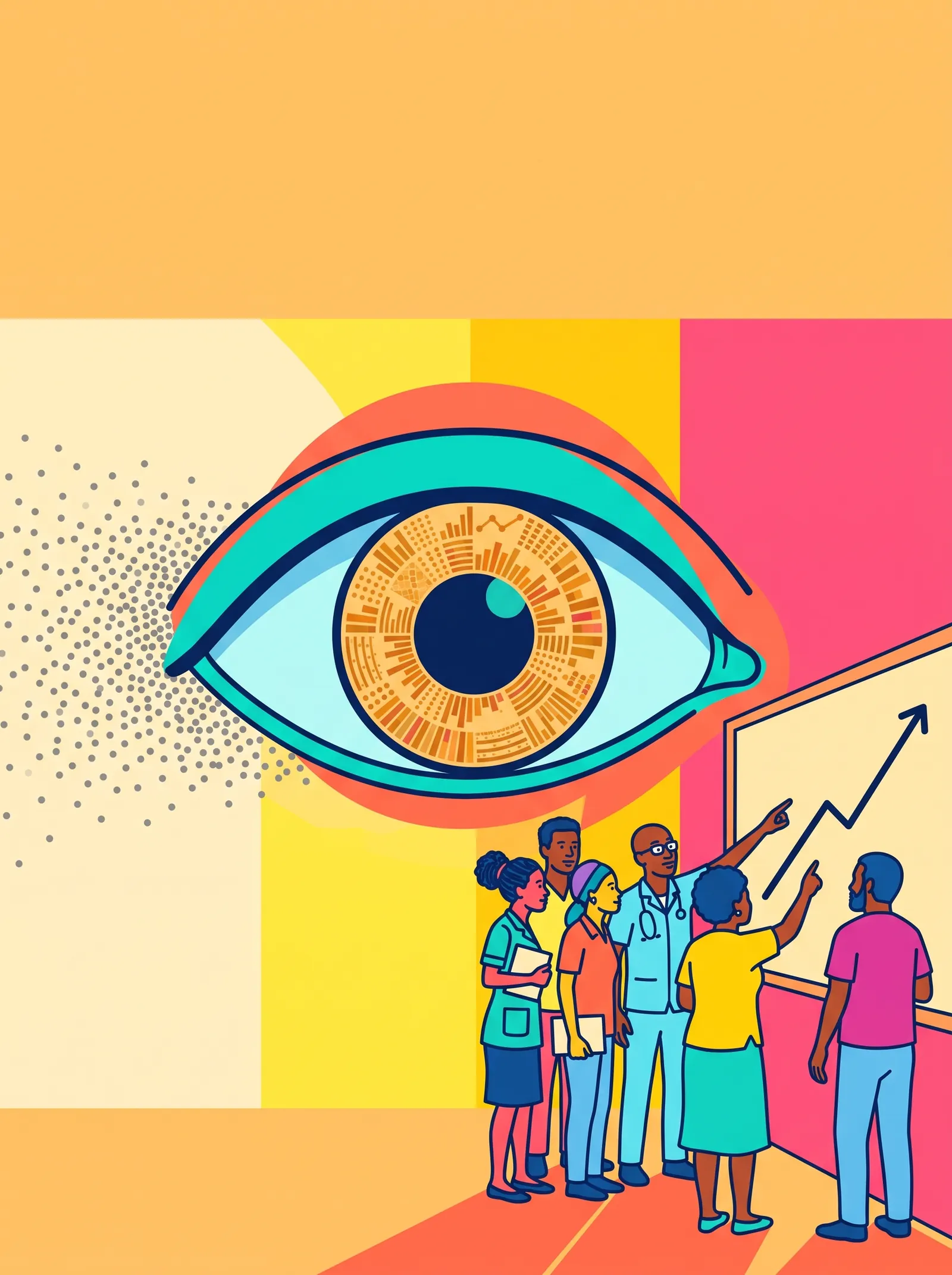
Seeing
The eyes of the RHIS: from a wall of numbers to a picture that prompts action.
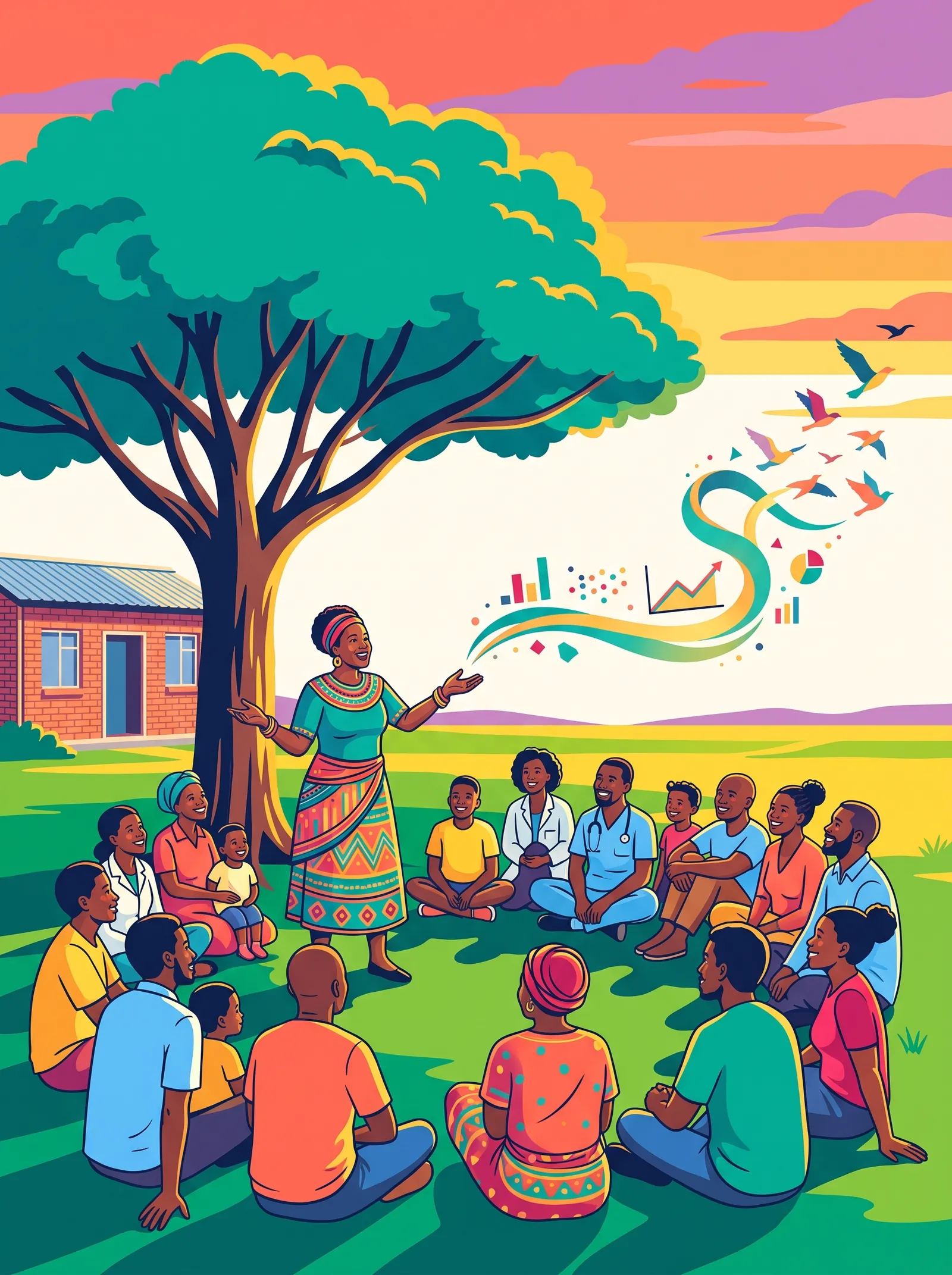
Stories
Stories move data from interpretation to action, and feedback closes the loop.
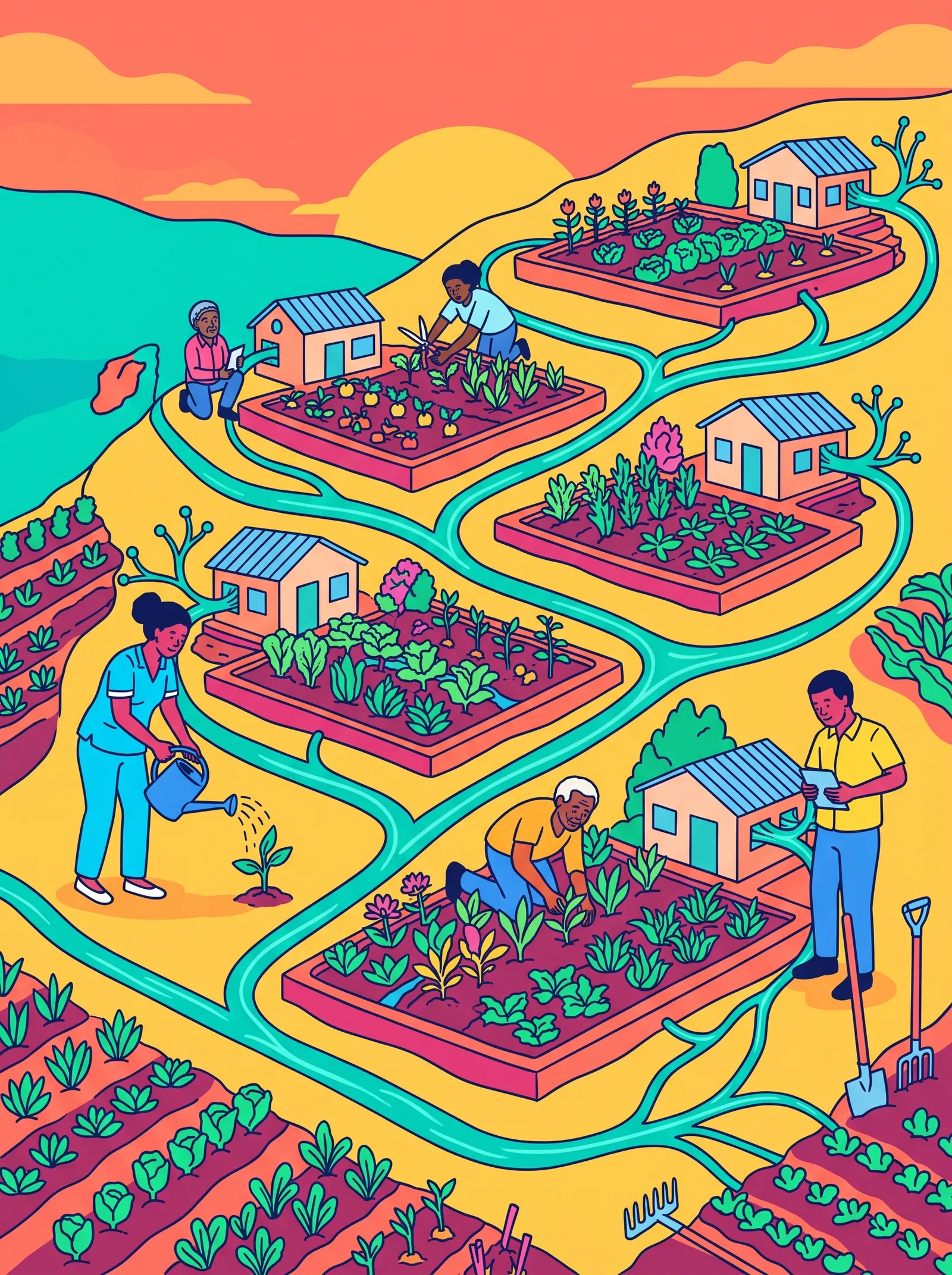
Skeleton and muscle
Governance is the skeleton; stewardship is the muscle that makes it move.
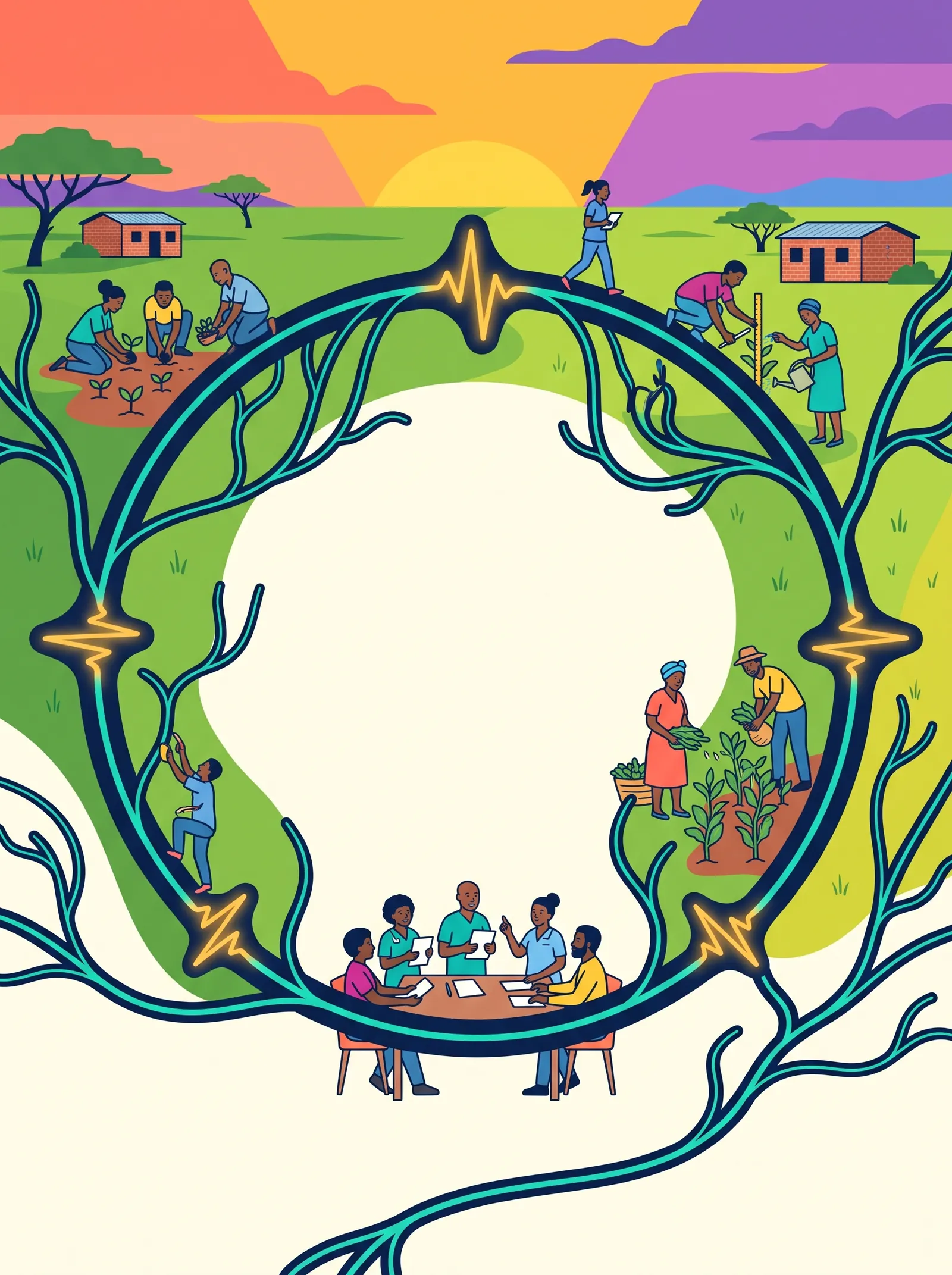
The rhythm of the year
A monthly and quarterly rhythm that turns plans into monitoring, supervision and action.
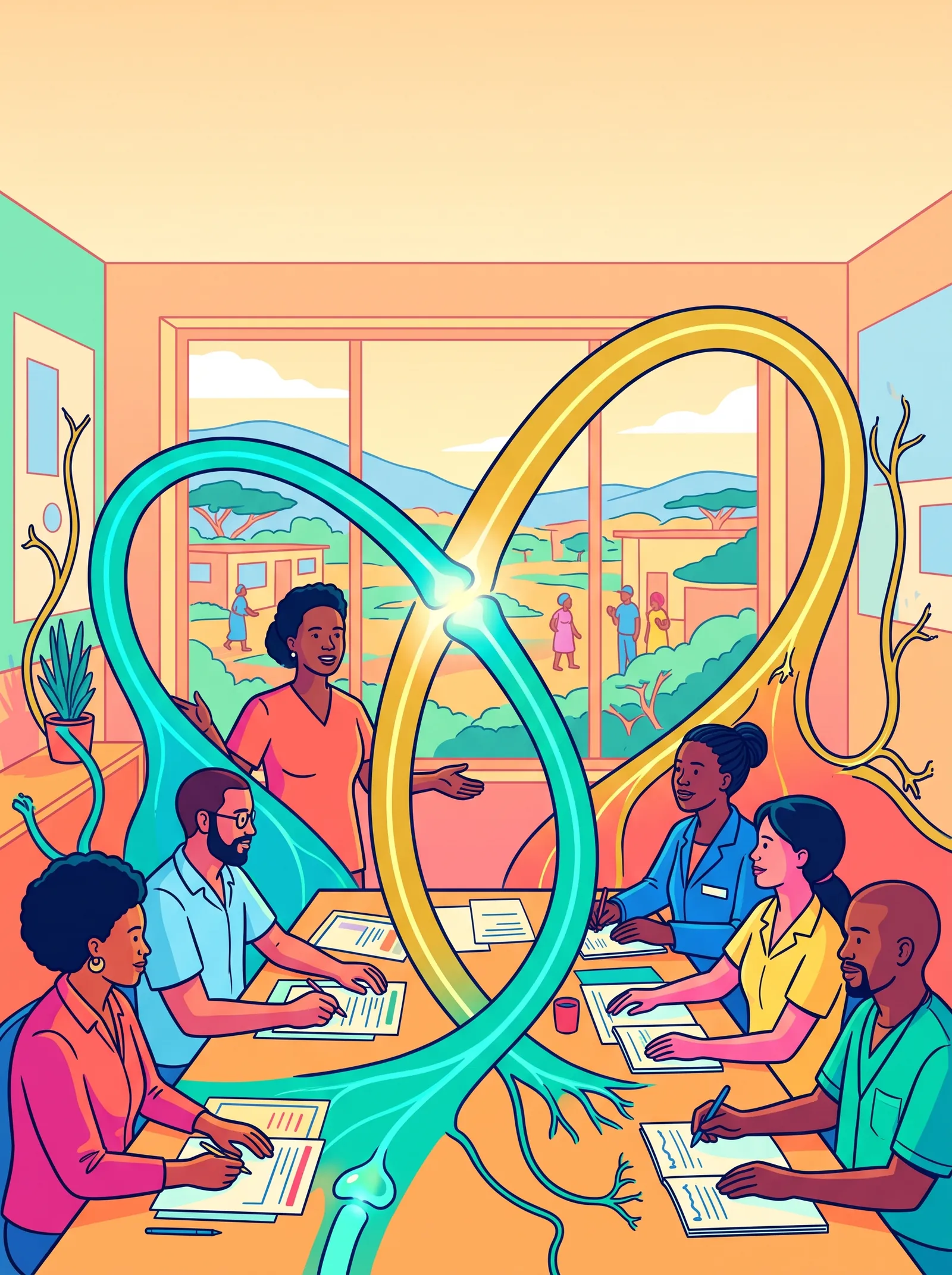
The double loop
Building a learning district: the double loop that lets a system improve itself.
Connective tissue
Digital health, informatics and the architecture that ties the system together.
Also here
Films and foundations.
The films
Short films of the book's key concepts and exercises are in production. The slots are set out here with the intended film for each.
See the film list →About the book
Who wrote it, where it comes from (Heywood and Rohde's 2001 manual), how to cite it, and the sources behind the work.
About and sources →